Institutions of higher education are important spaces for practicing habits of participation and community-building and for reinforcing norms of mutual obligation and interconnection which are central to democracy. As a center for civic engagement, it is our responsibility to support and model transparent and inclusive decision-making, so that people can advocate for what is meaningful to them, know that their voices matter, and exercise shared responsibility.

Discovering local government
When Wendell Roberts began teaching Education Law and Ethics in the School of Professional & Continuing Studies in 2012, he knew that he wanted his students to attend School Board meetings. He discovered that the CCE was hosting local government excursions, and a partnership began. The CCE coordinates registration, transportation, and dinner for each excursion, and Roberts offers introductory remarks and an outline of things for the students to look for.
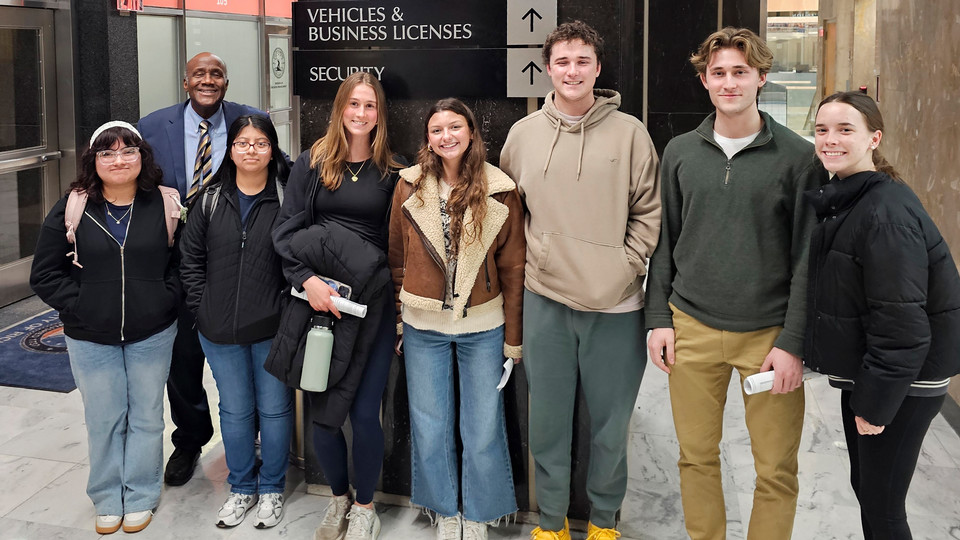
“I like to promote local government, because that's the level of law that really affects people's lives,” Roberts said. “I don't think people pay as much attention to that as they should.”
The excursions are open to both graduate and undergraduate, staff, and faculty. Participants see our representatives deliberate on laws, policies, budgets, and school operations.
“Richmond City Council and School Board excursions have given my peers and I insights into not only how the process of local government works, but how community can shape policy.”
Students and staff connect through ESL learning
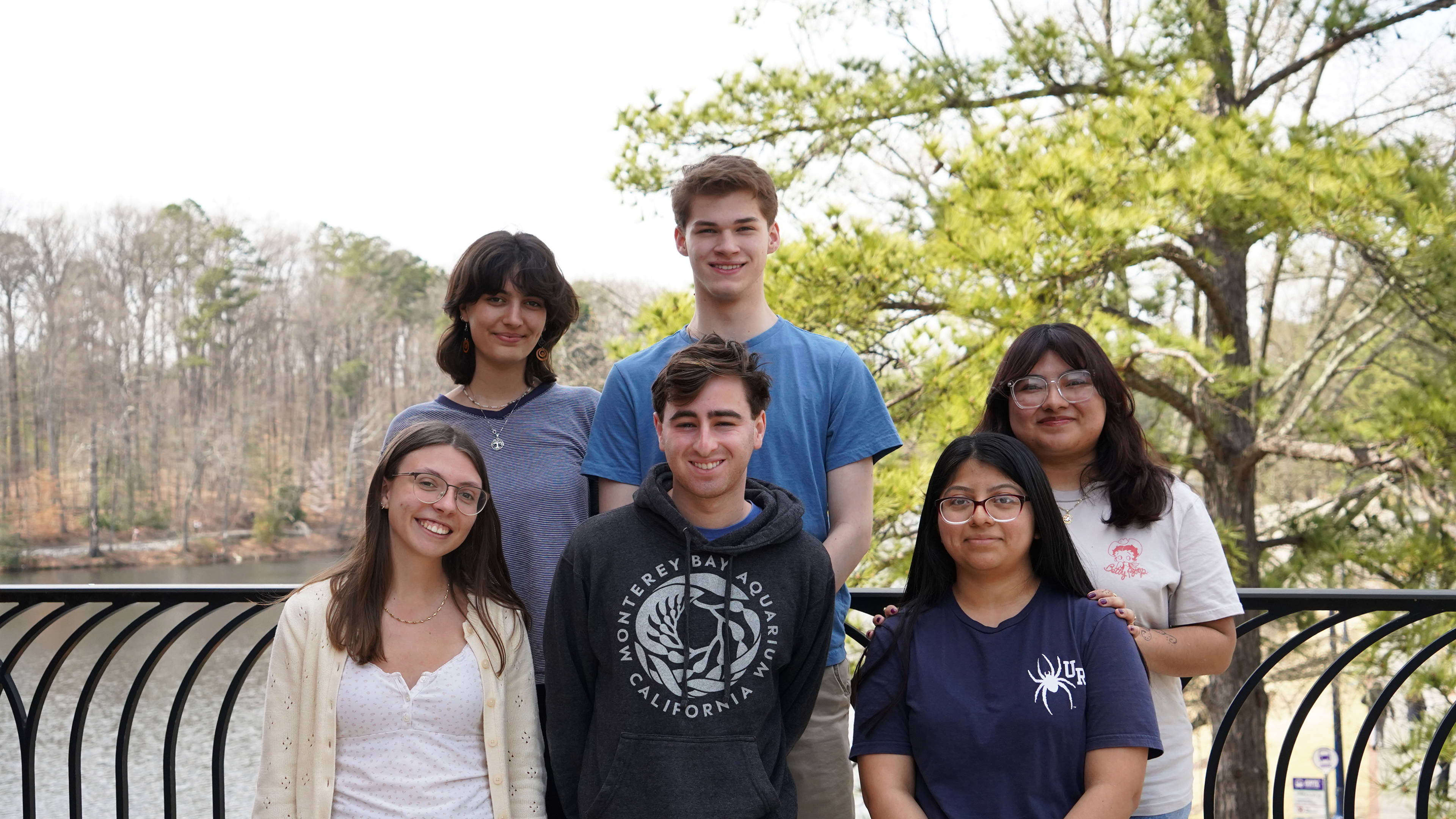
In meeting spaces across campus this year, student volunteers connected one-on-one with staff members from countries around the world. The meetings were part of the Linking Through Language and Technology (LTLT) program for employees learning English as a second language.
Leadership studies and philosophy, politics, economics, and law (PPEL) double major Elizabeth Milliot re-launched the program as a CCE program associate. The student-led initiative was first launched in 2006 but was paused during the COVID-19 pandemic.
Allison Steele Hicks, associate director of communications and professional development in University Facilities, and Maura McLain, training and operations manager in Dining Services, were key partners in sharing the opportunity in their departments. About 25 staff members signed up to work with the student volunteers who received additional training with Leslie Bohon, director of English language learning in the Weinstein Learning Center.
First-year Tatiana Hlinka volunteered with the program and learned about the story, goals, and ambitions of her partner who works in Facilities. “That really motivated me to continue coming back and continue helping her achieve what she wants,” Hlinka said. “That’s something I want to take with me and apply to my future in international law and diplomacy."
Exploring practices and strategies for civic action
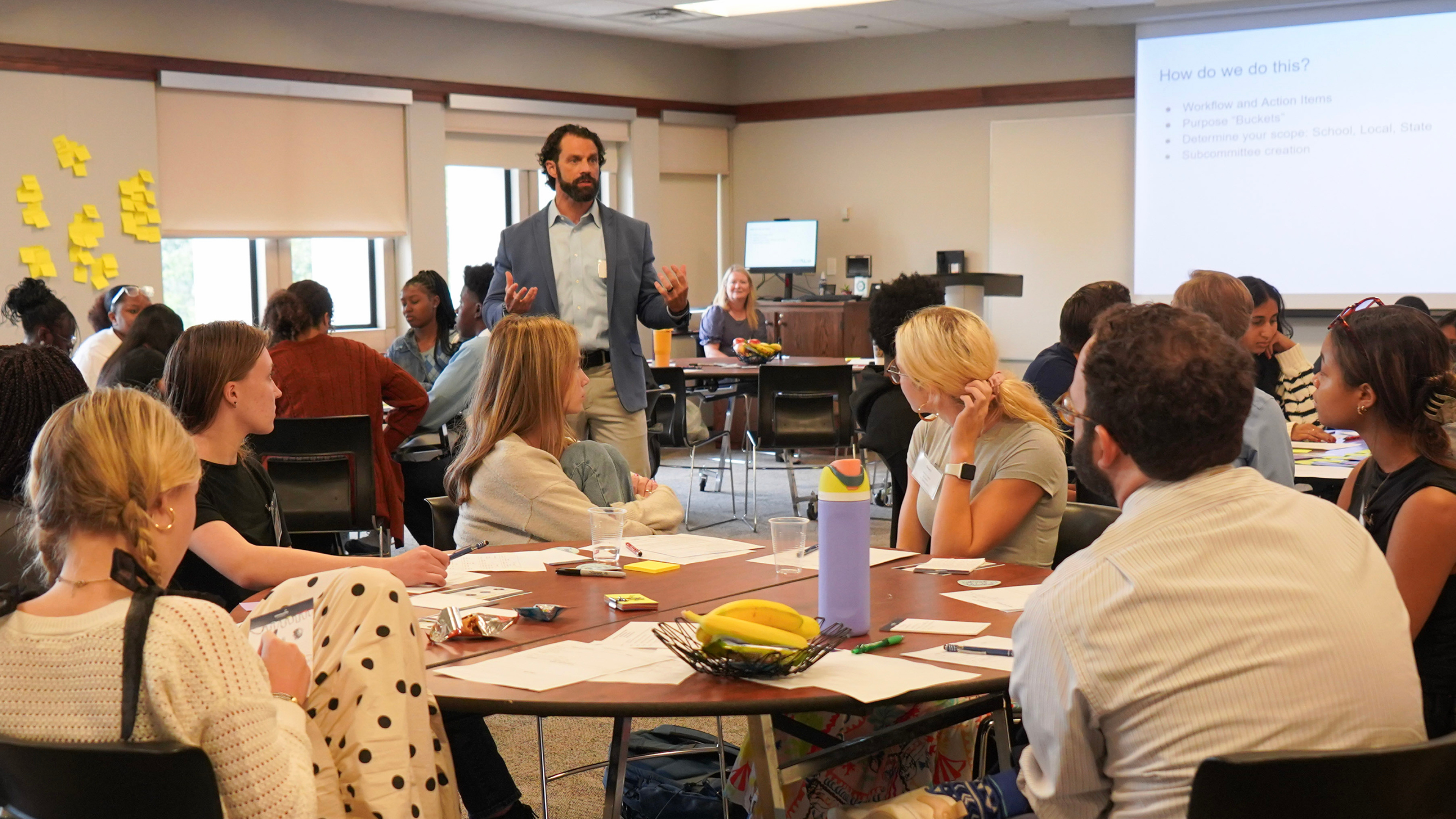
Educators and high school students from across Richmond gathered on campus this fall for the first Community and Civic Engagement Summit to learn about civic and community engagement models, explore practices and strategies for civic action, and make new connections.
The summit was organized after the release of Serve Virginia’s Virginia Community Engagement Index (VCEI), a study to understand the evolving state of service, volunteerism, and civic action in Virginia and to identify community priorities over time. VCEI survey results indicated that half of Virginians report engaging in any civic action other than voting, and a Central Virginia Implementation Effort was formed to put VCEI report recommendations into action.
Kim Dean-Anderson, CCE senior associate director for community relationships, was invited to serve on the implementation team which identified a summit as an important step in building our local civic and community engagement infrastructure. The CCE stepped forward to host the summit with Collegiate School, the Community Foundation for a greater Richmond, Serve Virginia, St. Catherine’s School, VCU Division of Community Engagement, and VPM.
"We're always honored to open up our campus to critical conversations happening in our region," said Dean-Anderson.
Democratically engaged assessment
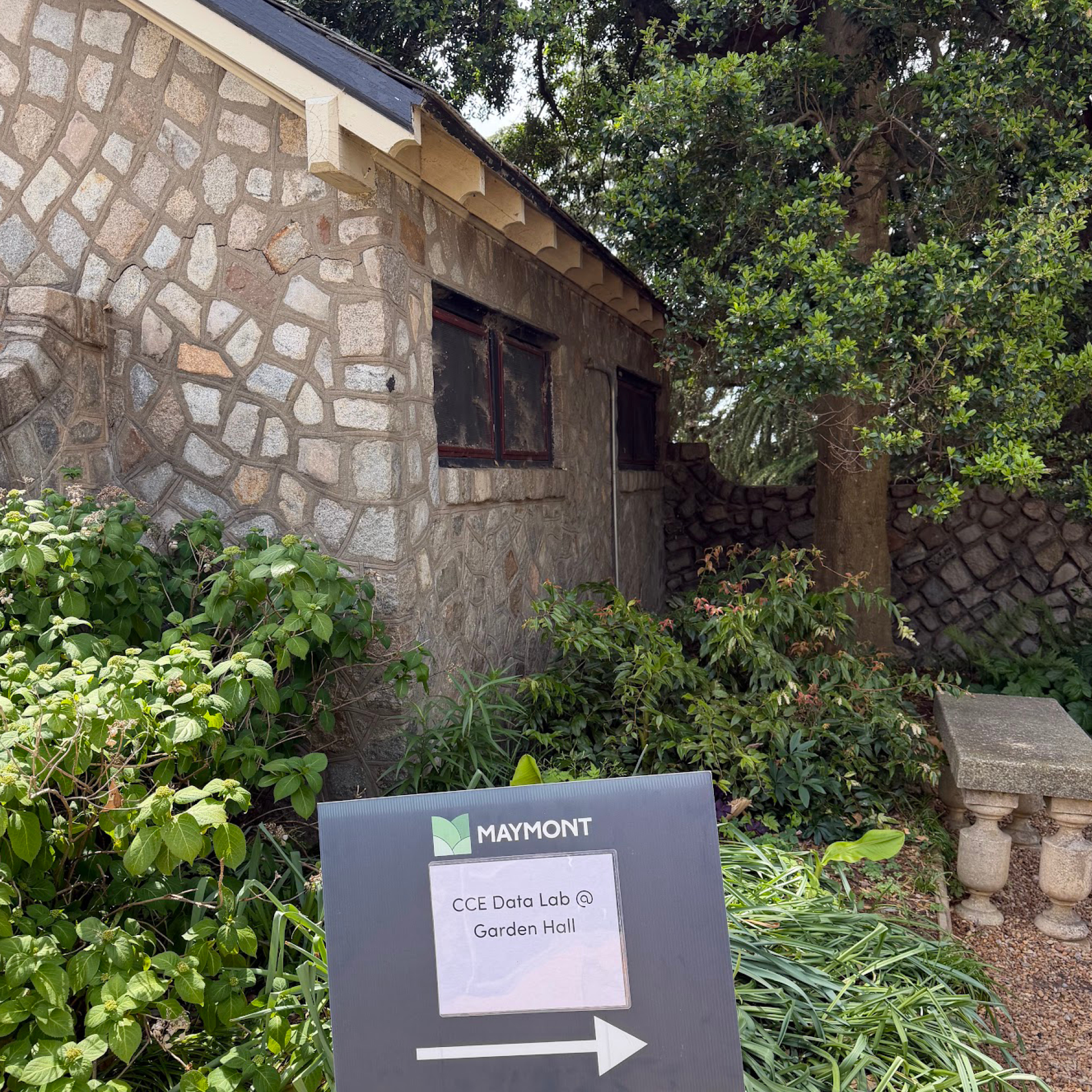
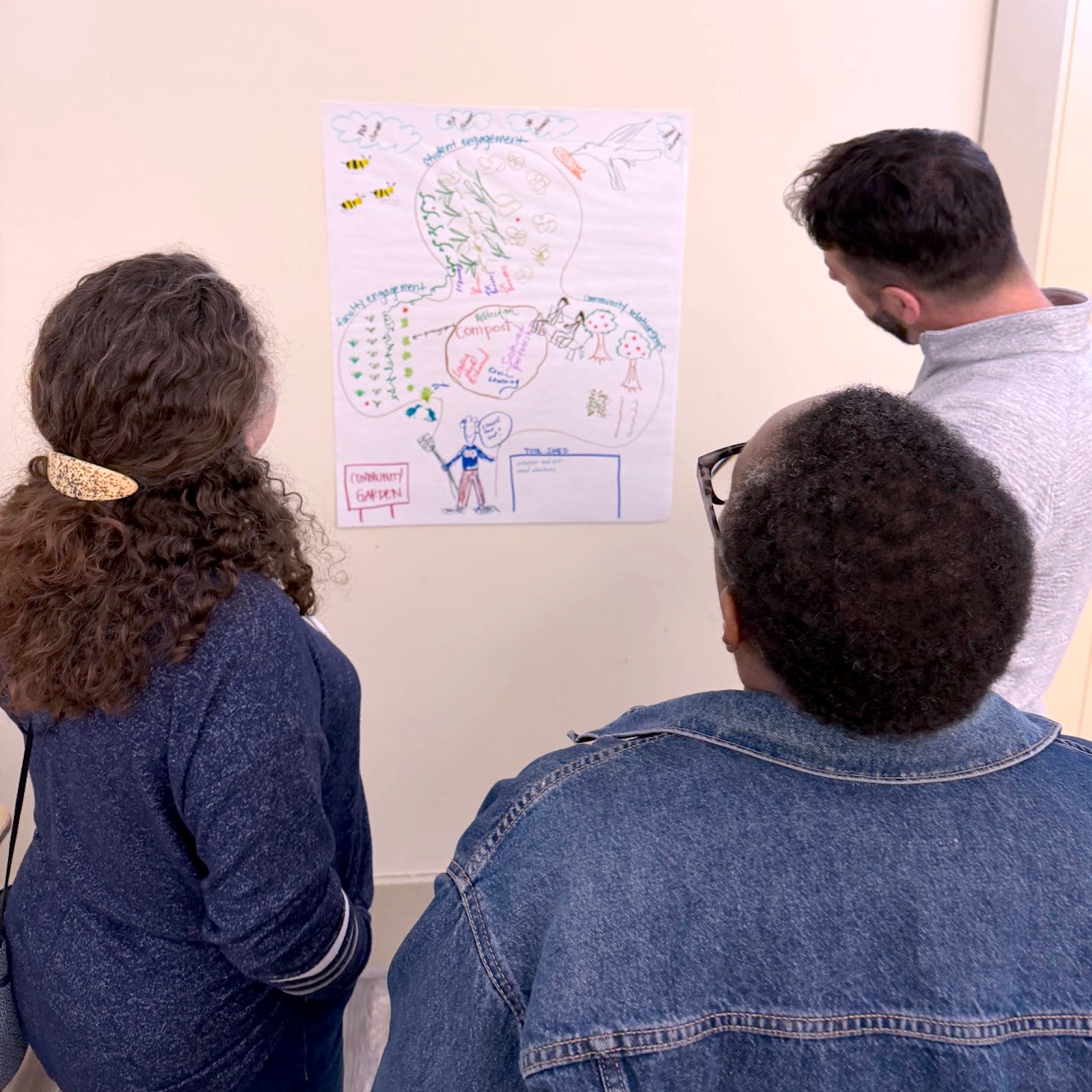
For many years, the CCE has been using an assessment method we’ve named the Data Lab. The method employs a playful approach to making sense of data, utilizing extended and applied metaphors, and involving all stakeholders in collaborative meaning-making. Through the ongoing and iterative practice of Data Labs, stakeholders are invited to better understand and make changes to their collective work.
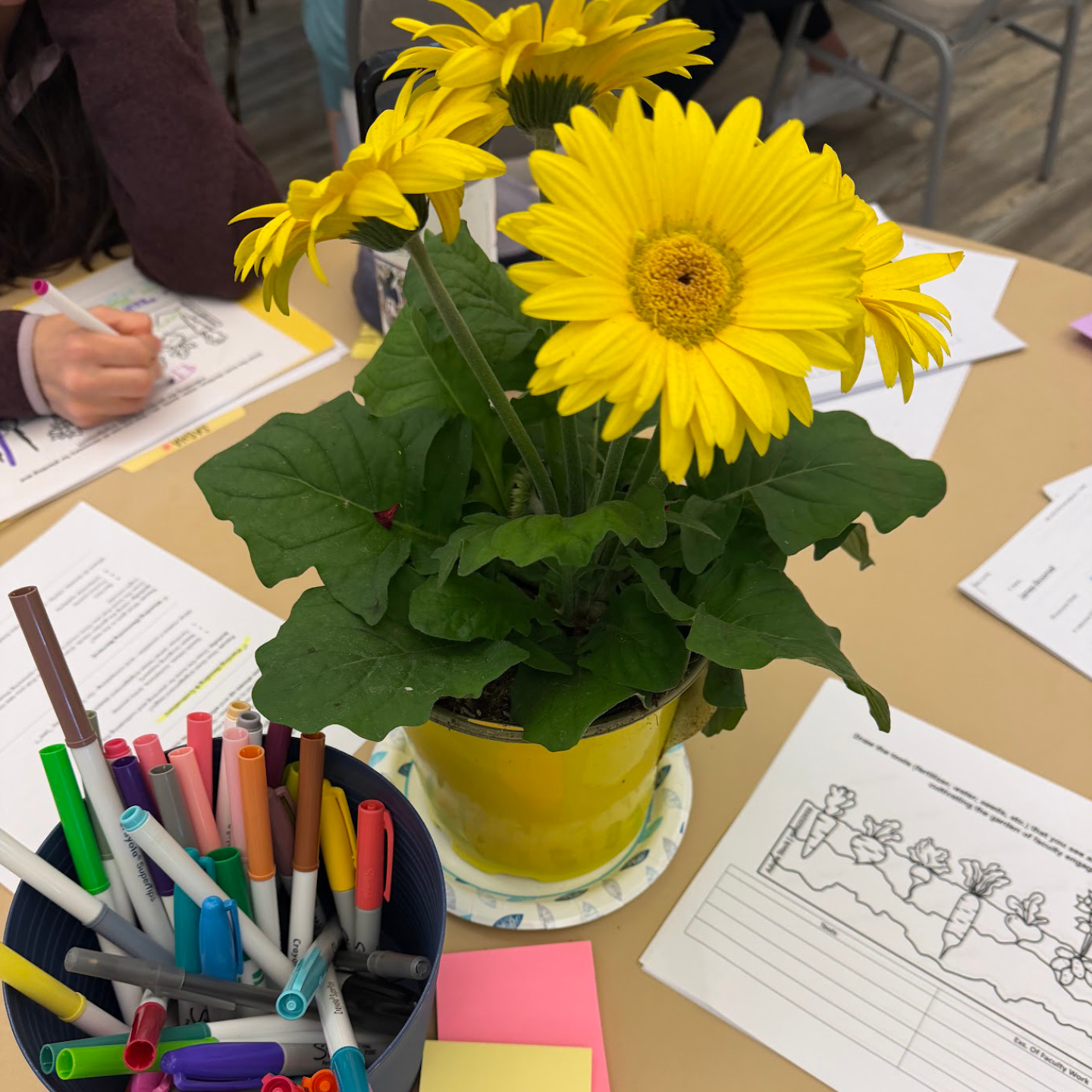
This spring, our Data Lab used the metaphor of gardening to dig into the work of our student engagement, faculty engagement, and community relationships teams. The garden metaphors helped clarify the CCE’s role as a tending and centering force.
“No matter what its focus, the invitation of the Data Lab is to make meaning together, rather than to digest meaning that has been made,” said Sylvia Gale, CCE executive director. “In this way, the Data Lab is a tool for practicing democratically engaged assessment, assessment that embodies the values of democratic engagement, navigating constraints and inevitable tension points while empowering all participants.”